
Nanomaterial
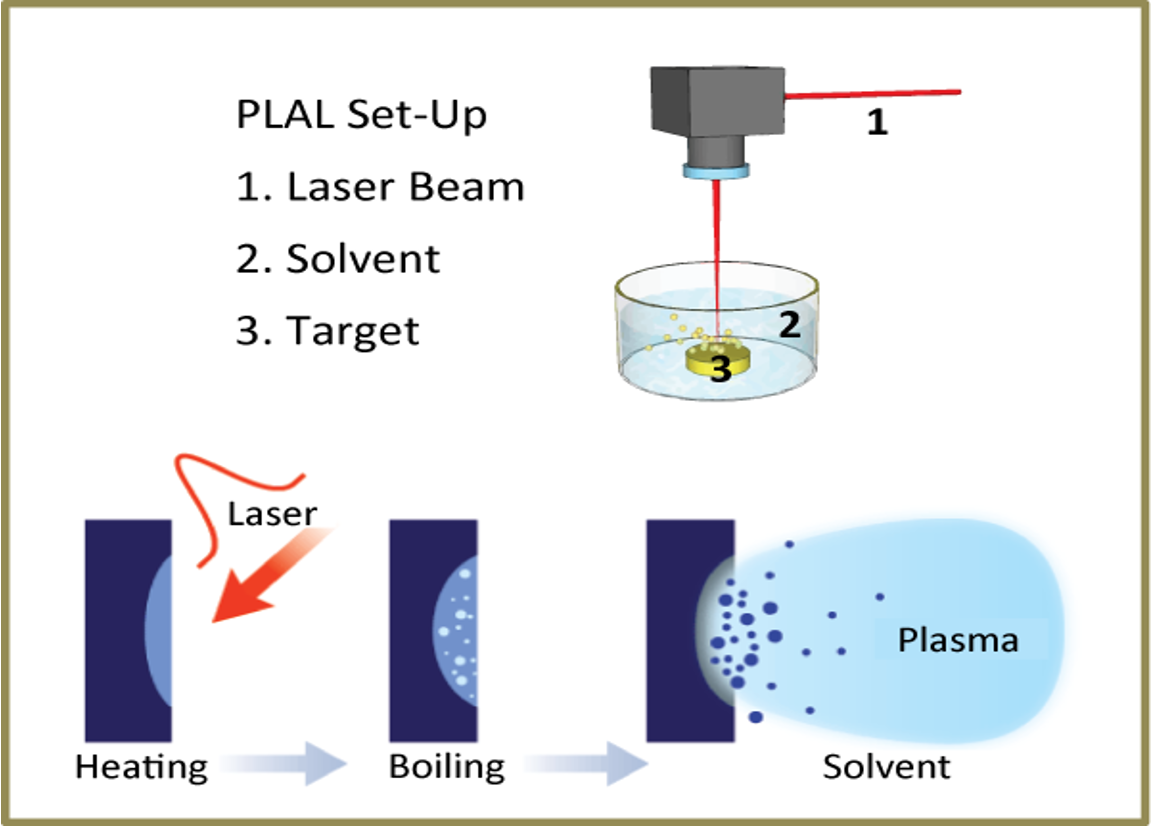
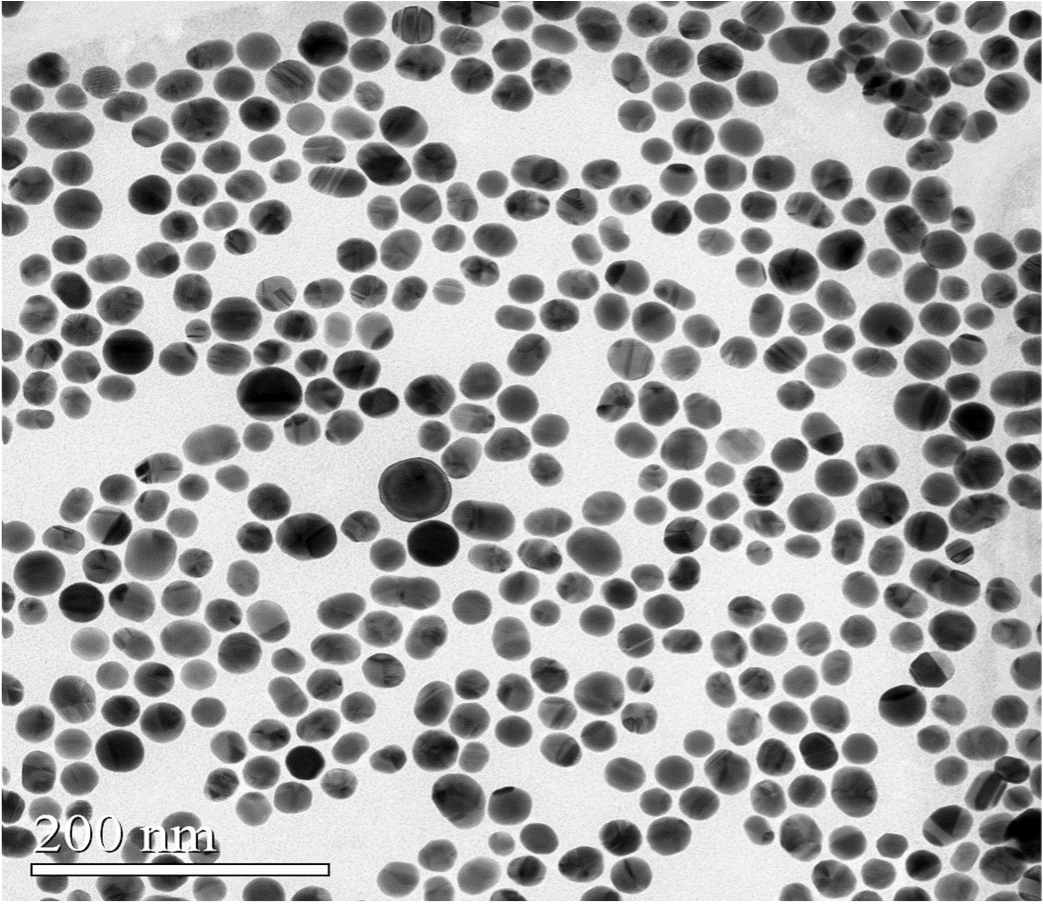
Generation of nanomaterial by pulsed-laser ablation in liquid (PLAL)
Chemical sensing and machine learning
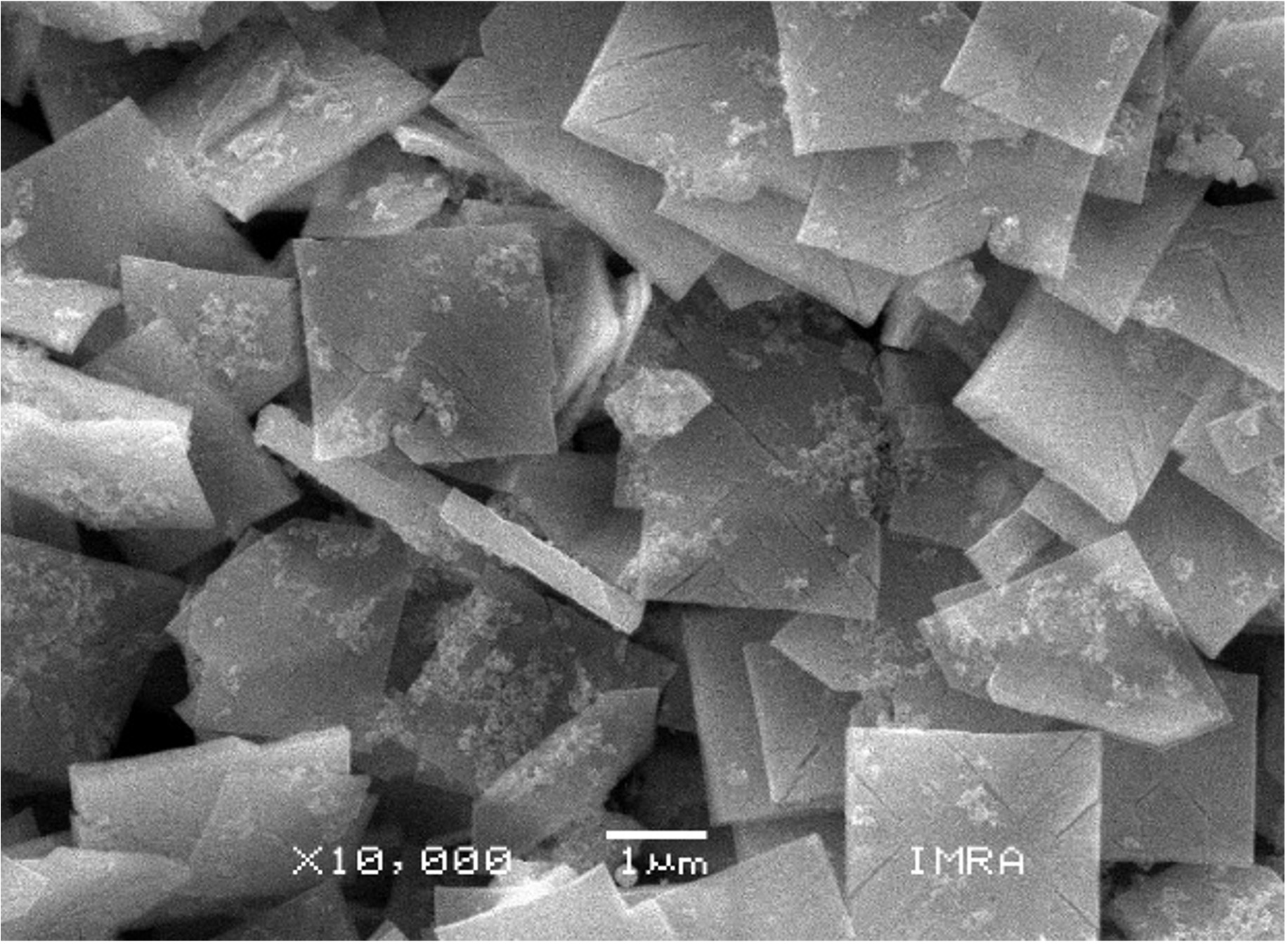
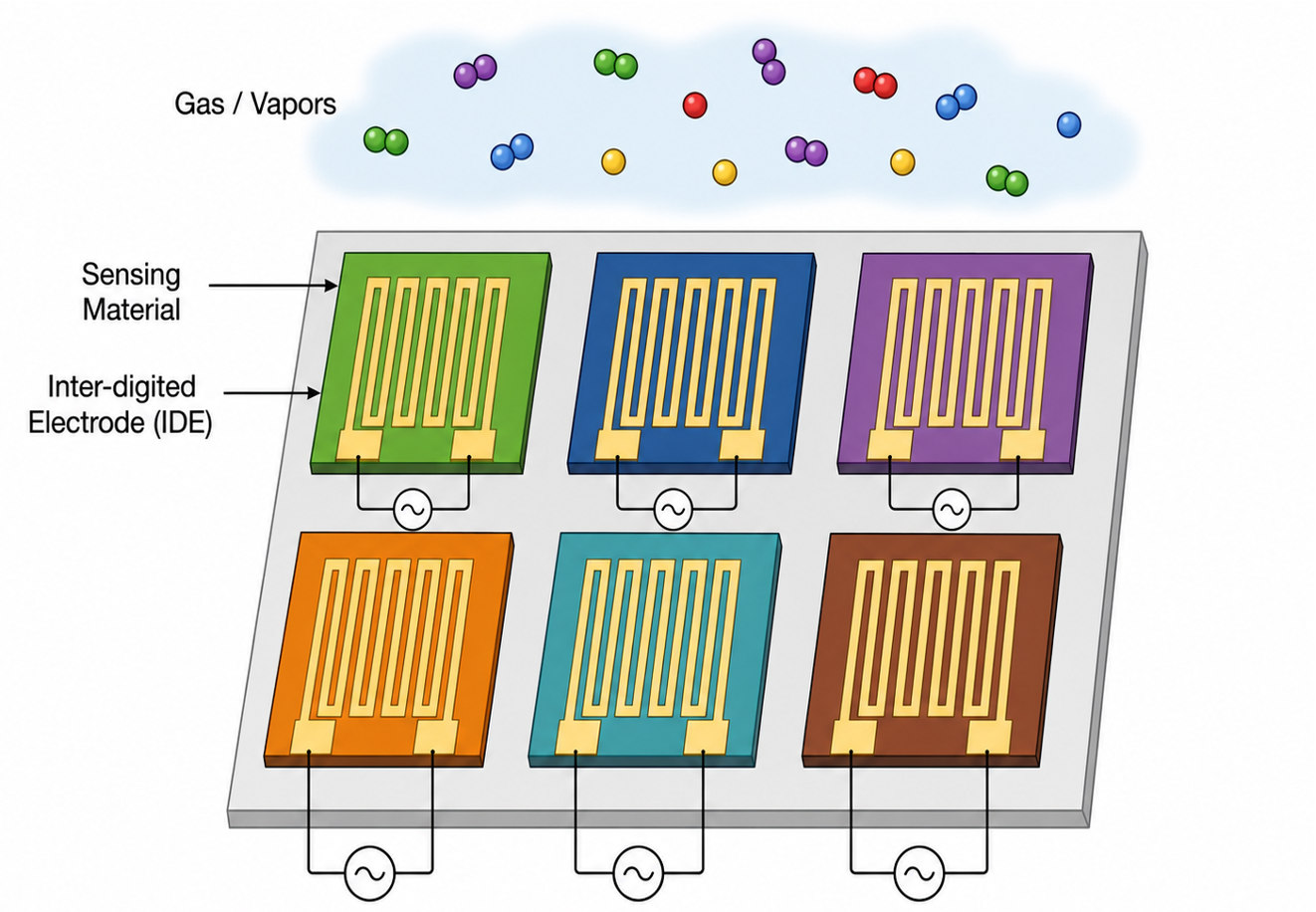
The high surface area and active surface chemistry of nanomaterials are ideal for high sensitivity detection of hazardous chemicals. Combinations of metal oxide nanosheets, noble metal catalysts, and gas sensor arrays provide test grounds for machine learning classification. The large number of variables significantly improves classification and regression accuracy.
Earth-abundant materials for photocatalysts
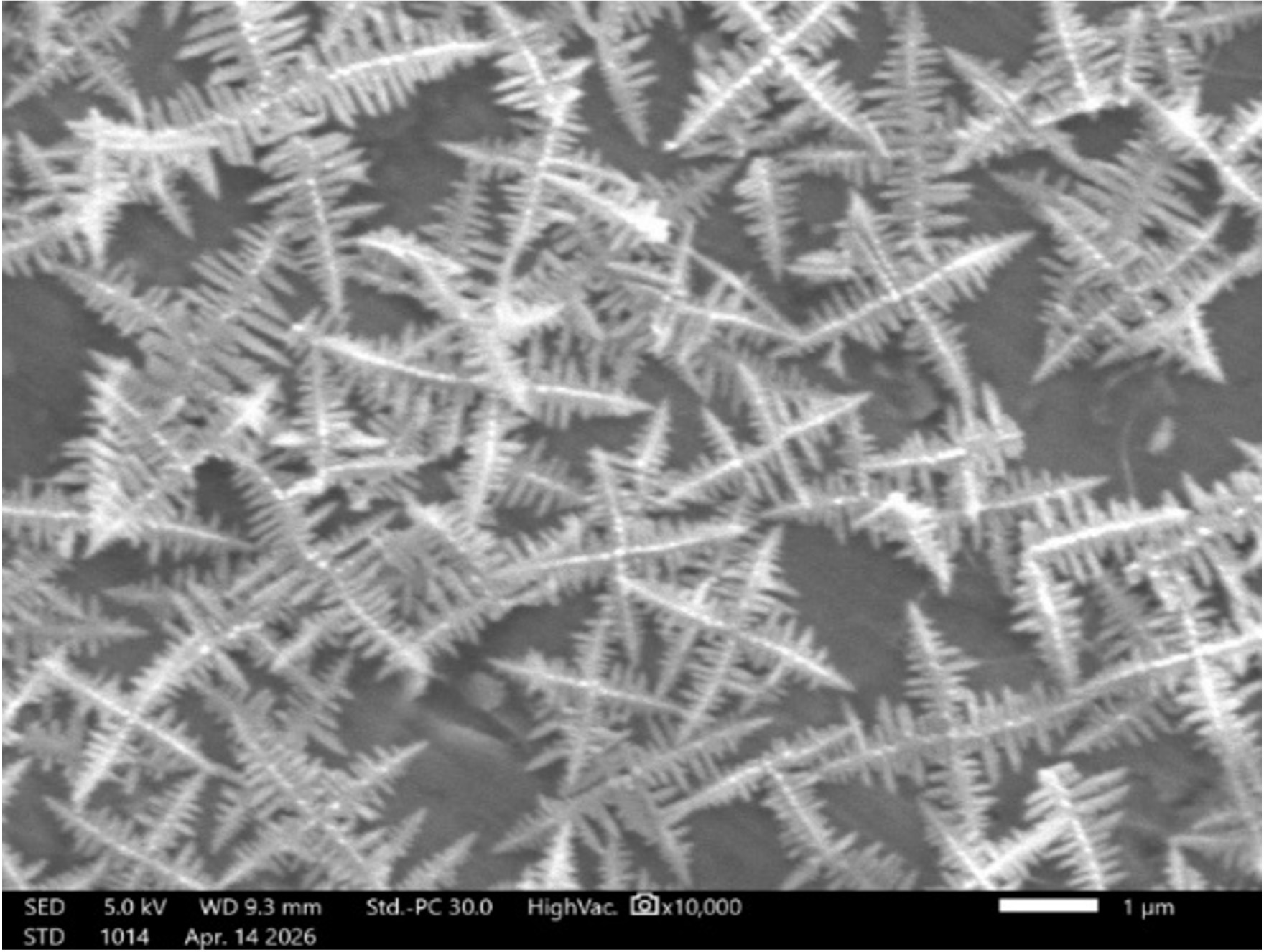
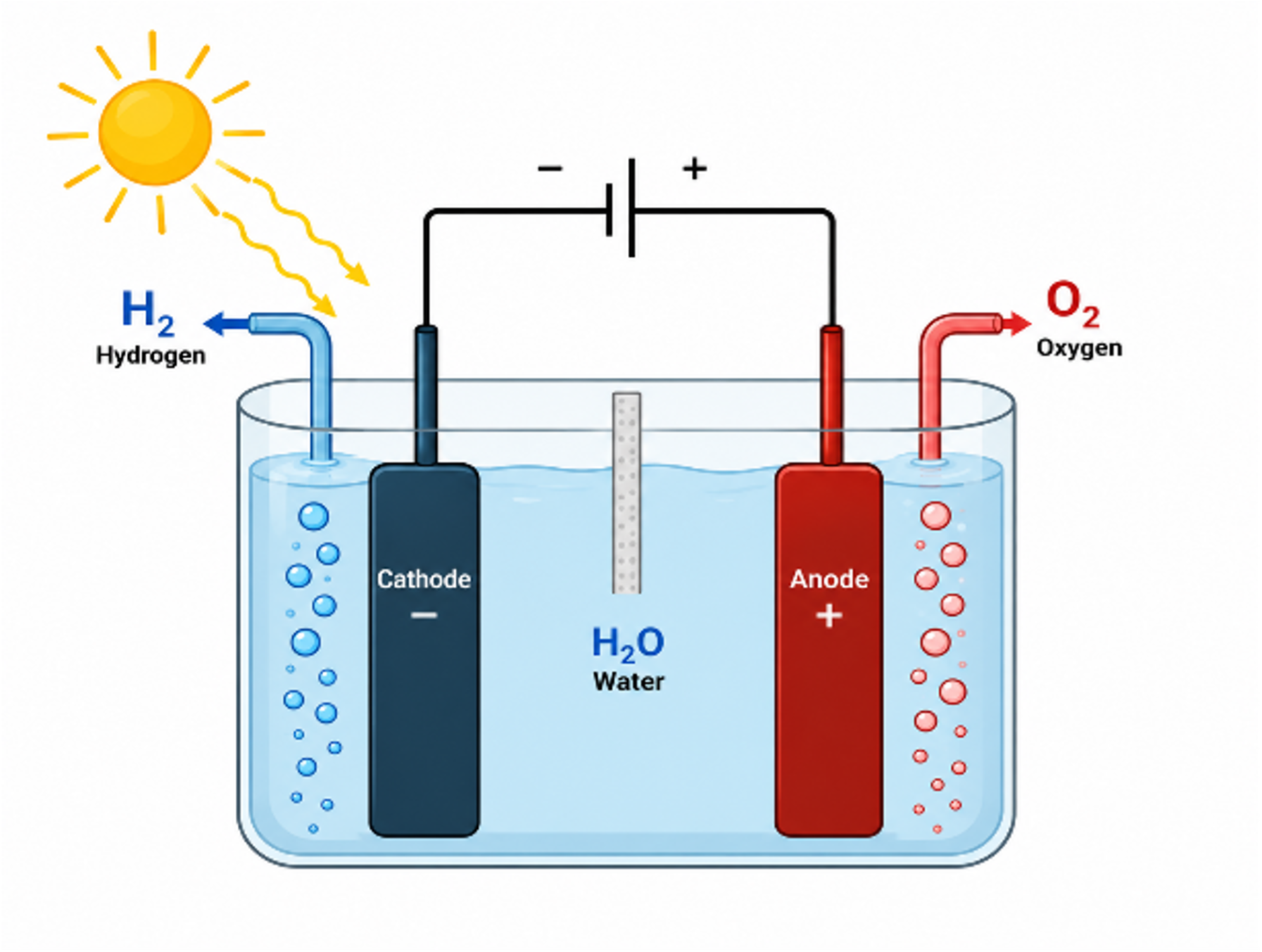
Conventional photoelectrode catalysts are made of expensive noble metals such as Pt, Ir, Ru. By alloying with earth abundant metals such as Fe, Ni, and Co using ultrafast pulsed laser ablation, high entropy alloy formation is achieved by ultrafast heating and cooling. We not only lower the material cost but also improve the catalytic activities.
Self-assembly for biosensing
Compared with complex chemistry in chemical synthesis, the pure synthesis by pulsed laser ablation enables precise surface chemistry control during self-assembly. We have achieved controlled length of gold nanoparticle chains having a broad spectrum range of localized surface plasmon resonance. The chain-like formation also improves fluidic motion in in-situ biological applications. By decorating the nano-chains with additional functional groups, such materials perform multiple roles of bio-labeling and targeting, and physical signal generation.